

What if the medicine you trust for your dog or cat might be fake?
Counterfeit pet medications are quietly slipping into veterinary supply chains, driven by a booming $9 billion market and patchy oversight.
They often move through honest-looking channels, like unauthorized resellers, repackaged clinic stock, sketchy online sellers, and overseas imports, so even careful buyers can be fooled.
This post explains how those entry routes work, what to watch for, and simple steps you can take to keep your pet safe.
Key Entry Pathways Allowing Counterfeit Pet Medications Into the Market

Counterfeit pet medications sneak into veterinary supply chains through overlapping routes, each one exploiting a different gap in oversight, storage standards, or contract enforcement. The $9 billion U.S. market for dog and cat drugs? That’s a huge incentive for diversion and fraud. Counterfeiters rely on channels that look legitimate on paper but systematically break the rules, making it tough for even careful buyers to trace where a product actually came from.
Unauthorized domestic distributors buy bulk inventory straight from veterinary clinics, then flip it through online marketplaces or storefronts. These middlemen often violate manufacturer sales contracts, though the transactions themselves might not technically be illegal. Clinics sometimes offload near-expired or excess stock to brokers. Once that inventory leaves the practice, chain-of-custody records vanish. The product can be repackaged, relabeled, or mixed with counterfeit units before it reaches you.
Overseas suppliers and importers are another major pathway. Foreign-labeled products arrive in the U.S. without meeting domestic processing, storage, or temperature-control standards. To hide origin, counterfeiters slap stickers with partial English information over foreign text, concealing missing EPA or state registration numbers. Customs inspections catch only a fraction of mislabeled shipments. Many counterfeit medications enter the country as routine e-commerce parcels.
Primary channels:
- Unregulated online pharmacies that skip prescription verification and sell directly to consumers
- Unauthorized domestic resellers buying bulk product from veterinary clinics through contract-violating purchases
- Diverted clinic stock sold to brokers who repackage or redistribute near-expired inventory
- Overseas suppliers shipping foreign-labeled goods concealed with U.S. information stickers
- Cross-border e-commerce platforms that don’t have robust seller vetting or regulatory compliance checks
Together, these pathways create system-wide vulnerabilities. Legitimate manufacturers lose control once product leaves the clinic. Weak enforcement of sales contracts, inconsistent customs checks, and unregulated online selling give counterfeiters multiple low-risk entry points. When a single counterfeit batch moves through three or four of these channels before reaching a pet owner, tracing the source becomes nearly impossible.
Online Pharmacies and Marketplace Listings Fueling Distribution of Fake Pet Meds
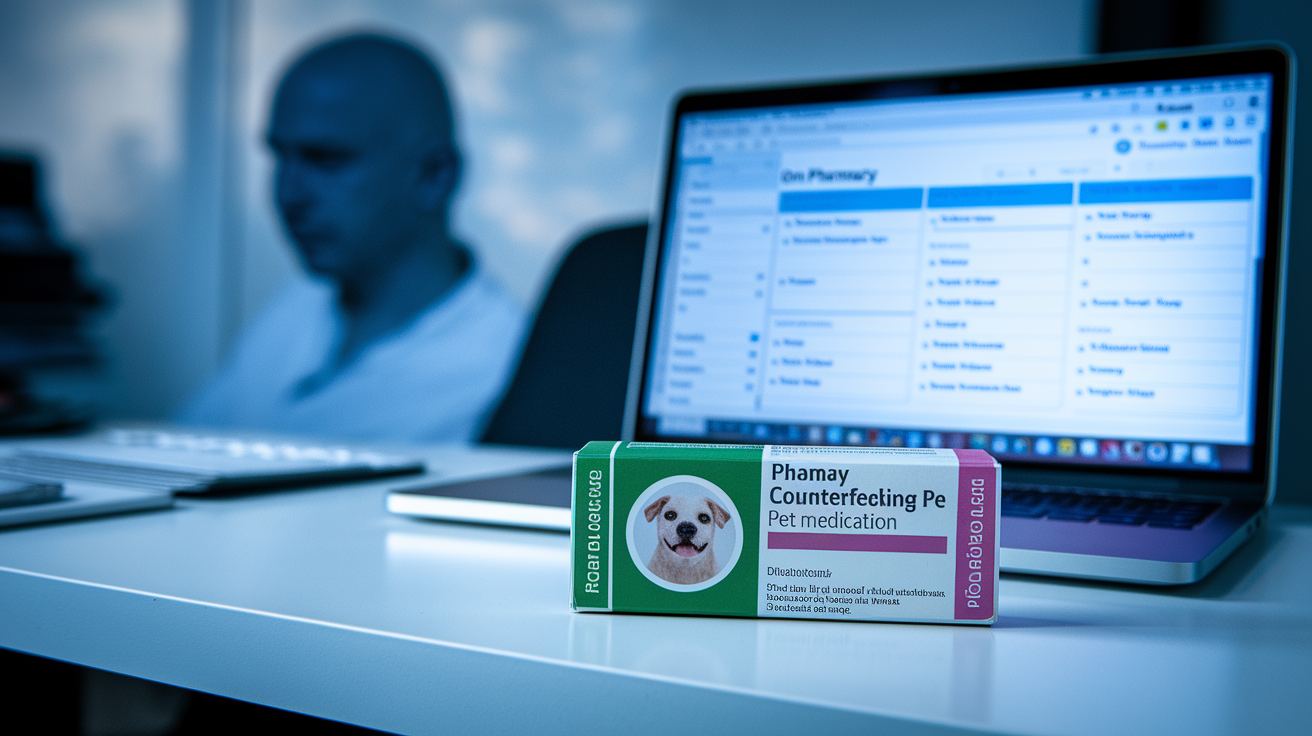
Plenty of websites advertise prescription pet medications without requiring a valid prescription, completely sidestepping the legal requirement for heartworm preventives and other controlled drugs. These rogue online pharmacies often operate under domain names that mimic trusted brands, using stolen logos and professional-looking layouts to appear legitimate. Some accept payment by cryptocurrency or bank transfer to avoid traceability. Others promise next-day delivery without asking for your pet’s weight, health history, or vet contact information. Red flags that signal no real veterinary oversight.
Major online marketplaces and social media platforms also host third-party sellers who list counterfeit or diverted pet medications right alongside genuine products. Because these platforms don’t consistently verify seller credentials or inspect inventory, fake listings blend into search results. A listing may show stock photography of authentic packaging, but the shipped product arrives foreign-labeled, expired, or adulterated. Flash sales, steep discounts, and urgency tactics lure buyers who assume marketplace brand names guarantee product safety.
Key vulnerabilities in digital sales channels:
- No requirement to submit or verify a prescription before checkout
- Clone websites using similar domain names and branding to impersonate legitimate pharmacies
- Listings on general e-commerce platforms that lack veterinary product-specific vetting
- Social media ads and private groups where sellers operate without accreditation or regulatory oversight
International Imports and Gray-Market Veterinary Drug Channels

Cross-border e-commerce and parallel importation let counterfeit and diverted pet medications enter the U.S. with limited regulatory scrutiny. Overseas suppliers ship foreign-labeled products that haven’t passed domestic safety testing or temperature-controlled storage requirements. To mask origin, sellers apply stickers printed with partial U.S. information over original foreign text, hiding missing EPA registration numbers and non-English dosing instructions. Customs inspections focus on high-risk cargo categories. Small parcels labeled as pet supplies often pass through with minimal examination.
Gray-market channels also exploit legal ambiguities. Some importers claim products are for personal use or resale under international trade agreements, bypassing the full registration and testing process required for new veterinary drugs. Once inside the country, these products mix with domestic inventory at distribution hubs. That makes it nearly impossible for buyers or veterinarians to distinguish legitimate stock from gray-market or counterfeit units. Weak coordination between customs authorities and veterinary regulators leaves gaps that counterfeiters navigate routinely.
| Origin | Risk Type | Common Red Flags |
|---|---|---|
| Overseas manufacturers and unlicensed foreign suppliers | No U.S. testing, contamination, wrong active ingredients | Foreign labeling, stickers covering original text, non-English dosing instructions |
| Parallel importers claiming personal or bulk resale exemptions | Bypassed registration, unknown storage conditions during transit | Missing EPA or state registration numbers, packaging inconsistencies, suspiciously low prices |
| Cross-border e-commerce platforms shipping direct to consumers | Limited customs inspection, mislabeled parcels, expired or adulterated stock | Long shipping times, no tracking of temperature-sensitive products, seller addresses in foreign countries |
Supply Chain Weaknesses Supporting the Spread of Forged Pet Medications

After legitimate manufacturing, veterinary drugs pass through a network of distributors, clinics, and pharmacies. Each transfer point introduces opportunities for diversion and mishandling. Bulk purchases from veterinary clinics often violate manufacturer sales contracts, but enforcement is inconsistent. Clinics may sell excess or near-expired inventory to third-party brokers, who then resell the product online or to unauthorized retailers. Once product leaves the original clinic, chain-of-custody documentation becomes incomplete or nonexistent. Any repackaging or relabeling breaks traceability entirely.
Temperature-controlled storage requirements matter for many pet medications. Heartworm preventives, vaccines, and biologics must stay within strict temperature ranges during shipping and warehousing. Unauthorized resellers rarely maintain these controls. Products exposed to heat or freezing lose potency, but packaging often shows no visible damage. When ineffective medications are sold as authentic, treatment failures follow. Pet owners have no way to trace the breakdown in the cold chain back to a specific handler.
Repackaging schemes add another layer of concealment. Expired or nearly expired stock gets removed from original containers, rebottled, and relabeled with falsified lot numbers and extended expiration dates. Some counterfeiters mix genuine product with diluted or inert filler, stretching inventory and maximizing profit. Because repackaging occurs in unregulated facilities, contamination risks are high. The final product may carry authentic-looking packaging with no sign that it passed through multiple unauthorized hands or was stored improperly for weeks.
Counterfeit Packaging and Label Manipulation Tactics in Pet Medications
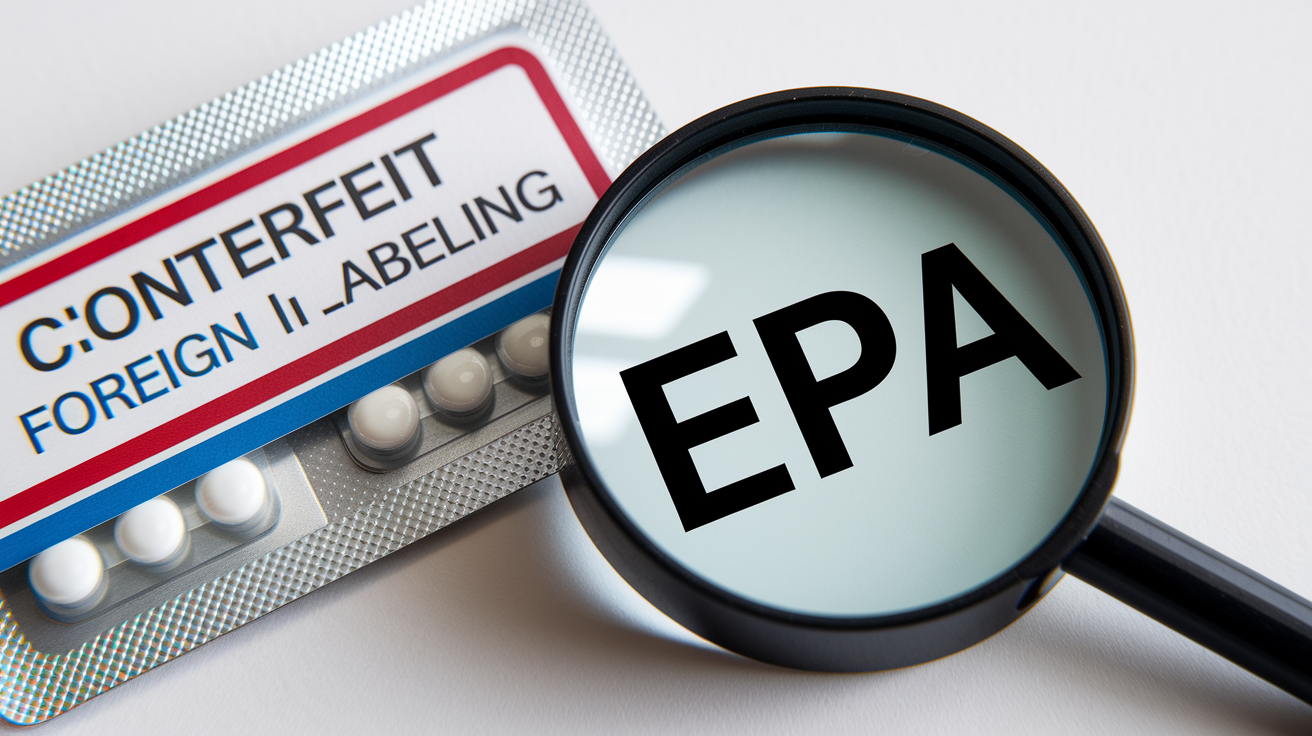
Counterfeiters invest heavily in packaging fraud to disguise origin and evade detection. Foreign-labeled products arrive with U.S. information stickers placed over original text, hiding non-English instructions and missing regulatory identifiers. These stickers may list partial dosing information or a fake EPA registration number that doesn’t match official databases. When a buyer peels back the sticker, the underlying foreign label reveals the product was never intended for the U.S. market.
Another common tactic? Printing packaging that closely mimics authentic brands but contains subtle differences. Misspelled words, incorrect fonts, or low-quality graphics that become obvious only under close inspection. Counterfeit heartworm preventives and flea-and-tick products often display weight measurements in kilograms or volume in milliliters instead of the pounds and fluid ounces used on genuine U.S. packaging. Tablets may be the wrong color, shape, or texture. Pipettes for topical treatments can be flimsy, poorly sealed, or filled with liquid that smells off or appears discolored.
Packaging that lacks child-resistant features is another red flag. Legitimate U.S. veterinary products follow safety standards requiring child-safe closures for certain drug classes. Counterfeit medications frequently arrive in simple blister packs, flip-top boxes, or unsealed pouches. Missing package inserts or directions printed in broken English further signal that the product bypassed standard regulatory review and quality control.
Common labeling fraud signs:
- Stickers covering foreign-language labels and concealing original regulatory markings
- Missing or incorrect EPA, FDA, or state registration numbers
- Weight and volume units listed in metric (kg, mL) instead of U.S. standards (lbs, fl oz)
- Spelling and grammar errors on packaging, inserts, or product names
- Non-child-resistant packaging where safety closures are legally required
- Falsified batch numbers, lot codes, and expiration dates that don’t match manufacturer records
Case Examples and Documented Incidents Illustrating Counterfeit Pet Medication Risks
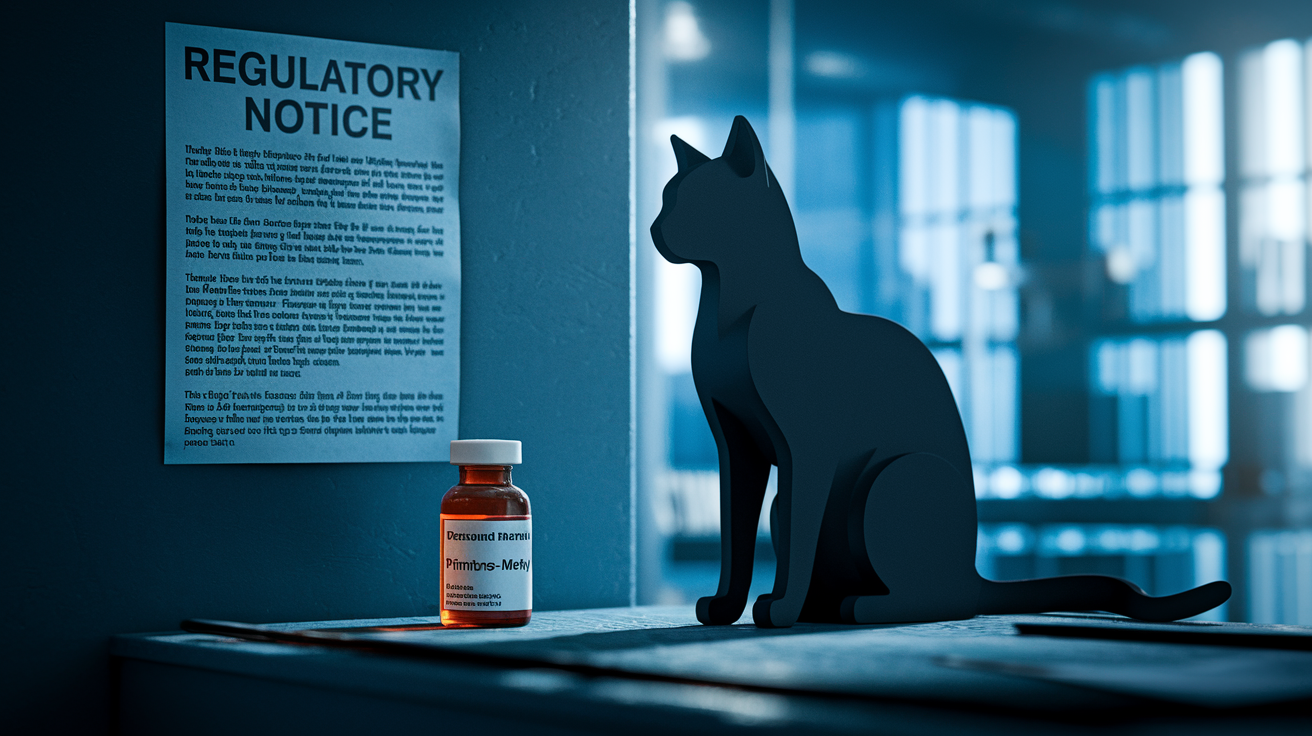
In June 2025, a UK government urgent warning followed a case in Preston where a cat named Smokey required emergency surgery after treatment with a counterfeit flea product purchased online and marketed as Frontline Plus for Cats. Laboratory testing found the product contained pirimiphos-methyl, an organophosphate pesticide highly toxic to cats. The poisoning incident triggered regulatory alerts and showed how counterfeit topical treatments can carry ingredients that cause severe neurological damage and organ failure.
Counterfeit NSAIDs, including carprofen and meloxicam, have been linked to cases of acute kidney injury and liver toxicity in dogs when products contained incorrect active ingredients or were dosed without veterinary monitoring. Because these drugs require careful weight-based dosing and regular bloodwork, counterfeit versions sold without prescription checks put pets at immediate risk. When treatment fails or adverse reactions occur, manufacturer guarantees for coverage of medical costs are voided if the product can’t be traced to an authorized distributor.
Documented incident types:
- Topical preventives adulterated with toxic pesticides causing poisoning and emergency surgeries
- Counterfeit heartworm preventives that failed to protect pets, leading to infection and $1,200 to $1,800 treatment costs
- Fake antibiotics and NSAIDs containing wrong active ingredients, triggering organ damage and hospitalization
Identification Challenges and How Consumers Detect Suspicious Pet Meds
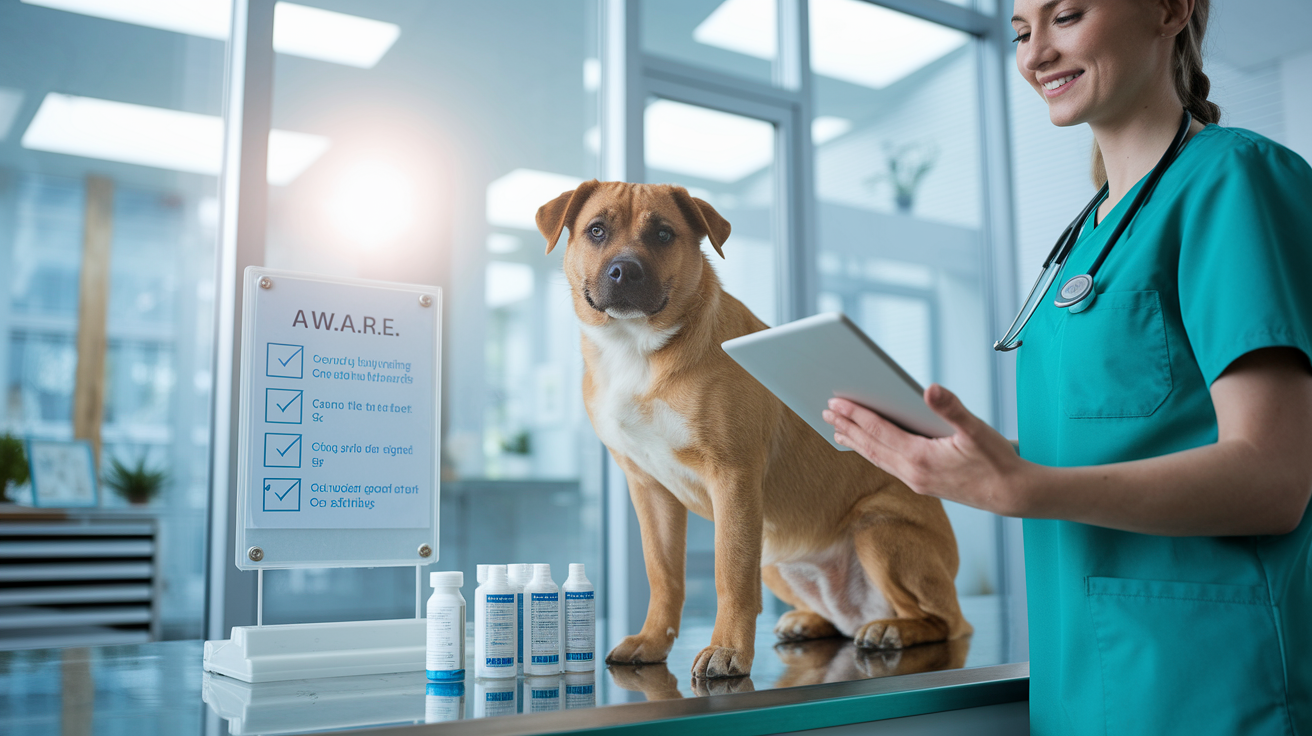
Detecting counterfeit pet medications at home requires careful inspection of packaging, dosing instructions, and physical product characteristics. Weight discrepancies between the listed package weight and the actual weight when held often signal repackaging or filler substitution. Missing English instructions, especially for prescription drugs, indicate the product was never intended for the U.S. market. Off smells, unusual colors, or crumbling tablets suggest contamination or degradation from improper storage.
Veterinarians detect inconsistencies by comparing packaging details, lot numbers, and expiration dates against manufacturer databases. They also watch for clients who report treatment failures with medications that should be effective. A pattern that can point to counterfeit or expired stock. The A.W.A.R.E. consumer checklist, developed to guide safe online purchasing, recommends asking your veterinarian about a website’s legitimacy, watching for red flags like no prescription requirement or missing contact information, checking for accreditation, reporting suspicious sellers, and educating yourself about what genuine packaging should look like. You can read more about avoiding counterfeit risks in this guide: How to Avoid the Disasters of Counterfeit Pet Prescriptions.
| Red Flag | What It Indicates |
|---|---|
| Packaging weight does not match listed weight | Product may be repackaged, diluted, or mixed with filler |
| Instructions missing or not in English | Foreign-labeled product not approved for U.S. distribution |
| Non-child-resistant packaging for prescription drugs | Product bypassed safety and regulatory standards |
| Suspiciously low price or flash-sale discount | Seller may be offloading expired, diverted, or counterfeit stock |
Regulatory Oversight Gaps and Why Counterfeiters Exploit Them
Prescription requirements for heartworm preventives are legally mandated in the U.S., but enforcement is inconsistent across online pharmacies and e-commerce platforms. Some websites openly sell prescription products without requiring a valid prescription or veterinary contact, exploiting the lack of real-time verification systems. Flea-and-tick products that don’t legally require prescriptions are still restricted by manufacturers to veterinary channels, but third-party resellers ignore these restrictions. Regulatory agencies lack the resources to police every online listing.
Import regulations depend on coordination between customs authorities, the FDA, and state veterinary boards, but gaps in communication and inspection capacity allow mislabeled shipments to enter the country. Small parcels labeled as pet supplies receive minimal scrutiny. Counterfeiters exploit this by shipping foreign-labeled products with falsified documentation. International regulatory cooperation exists in theory, but differing standards, language barriers, and limited cross-border enforcement mean that a product banned in one country can easily be rerouted and sold in another through online marketplaces that operate across multiple jurisdictions.
Veterinary and Consumer Tools to Verify Legitimate Pet Medications

Serialization and track-and-trace technologies allow manufacturers to assign unique codes to each product unit, creating a digital chain of custody from production to final sale. QR codes printed on packaging link to verification databases where consumers and veterinarians can confirm authenticity, check expiration dates, and review storage history. Holograms and tamper-evident seals add physical security, making it harder for counterfeiters to repackage or relabel products without leaving visible evidence.
Many veterinarians now offer price matching with accredited online pharmacies, removing the financial incentive to buy from unverified sellers. When you ask your vet to confirm a website’s legitimacy, they can cross-reference seller credentials against registries of authorized distributors and licensed pharmacies. Some practices provide clients with direct links to verified suppliers or use in-house online portals that guarantee product authenticity and proper handling from manufacturer to delivery.
Consumer-facing authentication apps and websites let pet owners scan product codes, check accreditation status, and report suspicious listings. These tools reduce reliance on visual inspection alone, especially when counterfeit packaging closely mimics genuine products. For additional guidance on spotting fake medications online, see How to Spot Fake Pet Medicines Online.
Verification methods:
- Scanning QR codes or serial numbers to confirm product registration and supply chain history
- Checking for holograms, tamper-evident seals, and official regulatory markings on packaging
- Asking your veterinarian to verify seller accreditation and compare pricing with trusted sources
- Using online databases to confirm EPA, FDA, or state registration numbers match official records
Reporting, Recalls, and Actions to Take When Counterfeit Pet Meds Are Suspected

When you suspect a counterfeit or adulterated pet medication, stop using the product immediately and contact your veterinarian for guidance. Save all packaging, receipts, and remaining product. These materials provide critical evidence for regulatory investigations and help trace the counterfeit’s entry point. Reporting suspected sellers to the FDA, your state veterinary board, or the Veterinary Medicines Directorate (in the UK) supports enforcement actions, including seizures, website shutdowns, and public recall alerts that protect other pet owners.
Your veterinarian can document the suspected counterfeit in your pet’s medical record and report it through professional channels. Clinics often maintain sourcing records that validate their own inventory, helping regulators distinguish legitimate stock from diverted or fake products. Consumer reports also trigger investigations into online marketplaces and unauthorized distributors, leading to seller account suspensions and improved platform vetting. The BE A.W.A.R.E. framework emphasizes reporting as a key step in disrupting counterfeit supply chains. You can learn more about this approach at What are Counterfeit Medications?
Steps to take:
- Stop using the suspected product and keep all packaging, labels, and remaining doses as evidence
- Contact your veterinarian to assess your pet’s health and document the incident in medical records
- Report the seller and product details to the FDA, state veterinary board, or relevant regulatory authority
Final Words
In the action, we mapped how counterfeit pet meds slip in, from unauthorized domestic resellers and diverted clinic stock to shady online listings and foreign-labeled imports.
We showed weak spots in testing, storage, and packaging, signs owners and veterinarians can spot, and practical verification and reporting steps to follow.
Knowing how counterfeit pet medications are entering the market helps you spot risks and act. Check packaging, buy through trusted vet channels, and report anything odd. Small habits make a real difference, so pets stay safer.
FAQ
Q: Does Chewy sell counterfeit drugs?
A: Chewy selling counterfeit drugs is unlikely; Chewy is a large, accredited pet retailer that usually verifies suppliers and prescriptions. If you suspect a fake product, stop use, report to Chewy, and check with your vet.
Q: How to tell if a pill has been tampered with?
A: A pill has been tampered with if its seal is broken, packaging torn, tablet chipped or powdered, color or imprint off, odd smell, or weight clearly differs. Stop use and consult your vet.
Q: Is it illegal to sell pet prescriptions?
A: Selling pet prescriptions without proper authorization is illegal in many jurisdictions. Prescription medications must be dispensed by licensed vets or pharmacies. Check local laws and ask your vet if unsure.
Q: Is it safe to buy pet medication online?
A: Buying pet medication online can be safe when you use accredited pharmacies that require prescriptions, show contact details, and verify suppliers. Avoid suspiciously cheap sites and confirm with your vet if unsure.